Studio Diary
Welcome to my studio diary!
Here, I share thoughts, impressions, and stories about my art.
Whether inspiration from nature, the creation process of a painting, or moments of doubt—every artwork has its own journey.
Glad to have you here!
Experience art of the highest quality.
Art that inspires: Our limited edition print collection is available now!
Dear art lovers, I have fantastic news for you! Now it’s even easier to fill your home with the atmosphere of contemporary art, vibrant colors, and deep emotions. If you’ve been wanting to decorate your walls with unique artwork but didn't know where to start, our new collection of premium art prints (limited edition on canvas) is made just for you.
Each print is not just a copy; it is a highly detailed reproduction of the original painting, fully preserving the living texture of the brushstrokes, depth of color, and artistic energy.
This release features three series with completely different moods. Choose the one that speaks to your soul:
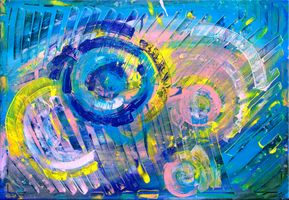
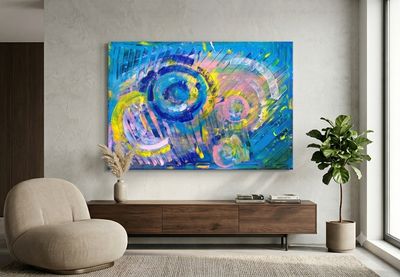
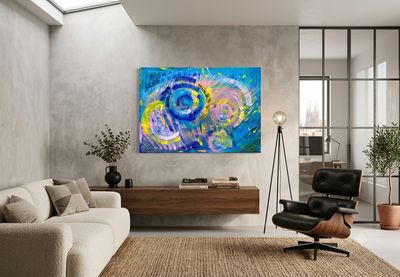
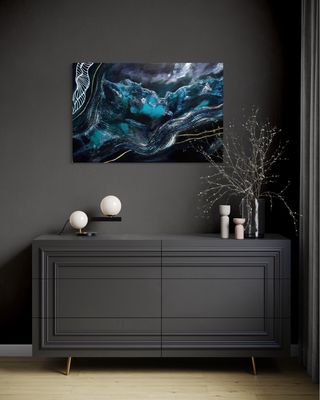
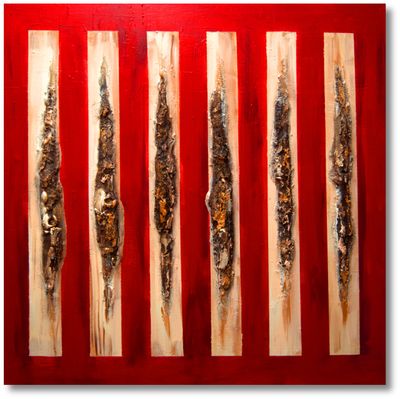
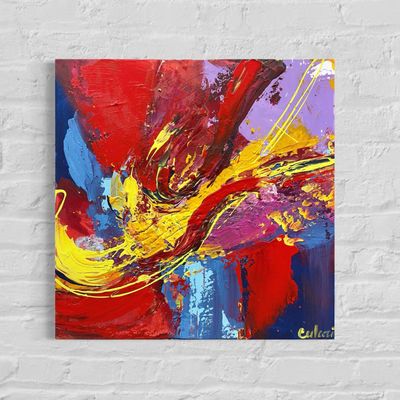
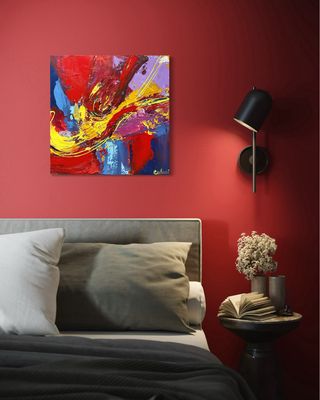
1. Abstract Art – Harmony of Color and Form For those who love to dive deep into a painting and discover their own meanings. Our highlight is a mesmerizing abstract piece in deep blue, purple, and gold tones. It perfectly balances a living room or bedroom, adding an extra dimension to the space. link to the Abstract artwork
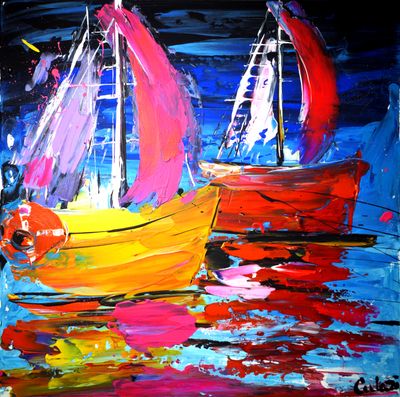
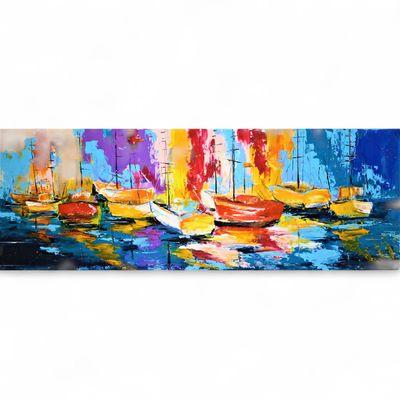
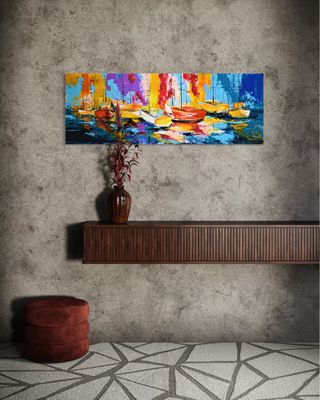
2. Seascapes – The Spirit of Freedom and Motion A series featuring sailboats and ships cutting through vibrant waves. These artworks are filled with dynamics, sunlight, and the feeling of a fresh ocean breeze. A great choice for creating an inspiring focal point that will uplift you every single day. links to the Boats
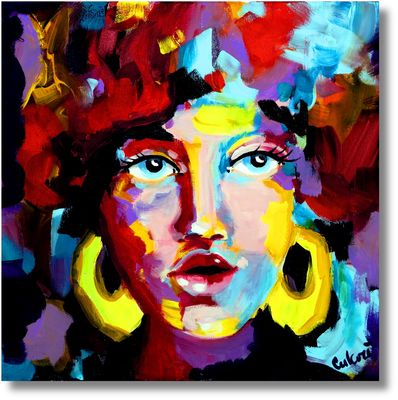
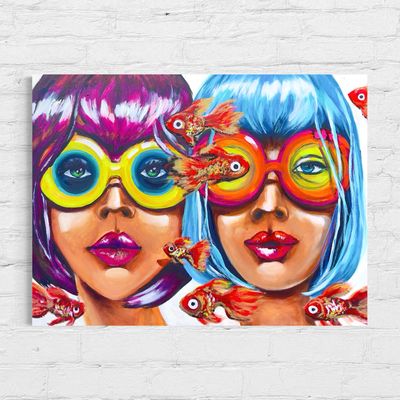
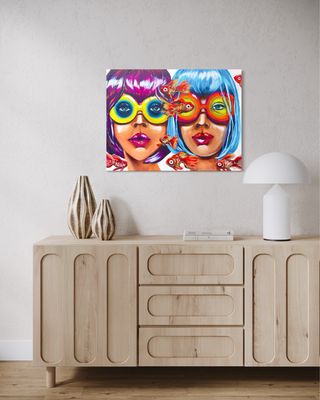
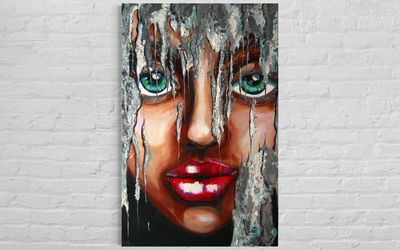
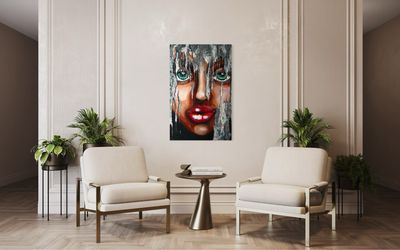
3. Emotional Portraits – Character and Expression The "Persönlicher Kunstmoment" series is a burst of color and pure emotion. Vibrant, modern, and soulful female portraits captured in a bold color palette. Such a piece instantly catches the eye and becomes the heart of any room. links to the Portraits
Why choose our art prints?
Premium Quality on Canvas:
Printing on canvas looks just like the original painting and retains its vibrant shades for years to come.
Limited Edition:
You receive an exclusive piece of decor that cannot be found in any mass-market store.
Ready to Style:
The prints look stunning both in frames and as standalone art objects.
The entire collection is now live on our website! Head over to the shop, choose your perfect match, and bring art into your everyday life.
🔗 Explore the Print Collection: collection page
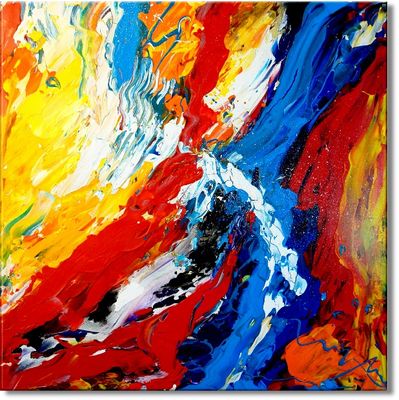
Our Videos - Modern Art
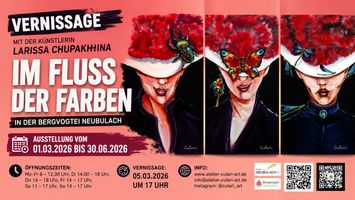
A colorful journey begins!
I am delighted to share the official video from the vernissage of my solo exhibition "In the Flow of Colors" at Bergvogtei Neubulach, Germany.
This special evening brought together art lovers, friends, and visitors to celebrate creativity, imagination, and the emotional power of color. The exhibition features a collection of expressive paintings that invite viewers to discover their own stories and emotions within each artwork.
Thank you to everyone who attended, supported, and made this event so memorable. Your presence and encouragement mean so much to me.
Watch the video and experience the atmosphere of the opening night!
Bergvogtei Neubulach, Germany
Exhibition: March 1 – June 30, 2026
Artist: Larissa Chupakhina
I would love to hear which artwork speaks to you the most. Share your thoughts in the comments below!
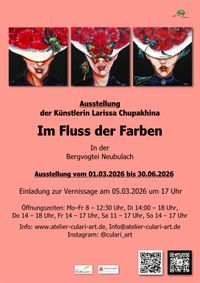
Exhibition by the artist Larissa Chupakhina "In the Flow of Colors" at the Bergvogtei Neubulach
Exhibition from March 1, 2026 to April 27, 2026. Invitation to the opening on March 5, 2026 at 5 pm. Opening hours: Mon–Fri 8 am – 12:30 pm, Tue 2 pm – 6 pm, Thu 2 pm – 6 pm, Fri 2 pm – 5 pm, Sat 11 am – 5 pm, Sun 2 pm – 5 pm
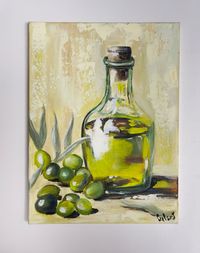
A touch of the Mediterranean for your home
All our products are made as naturally as possible with the safest ingredients.
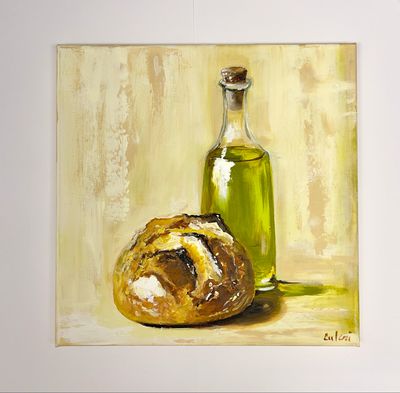
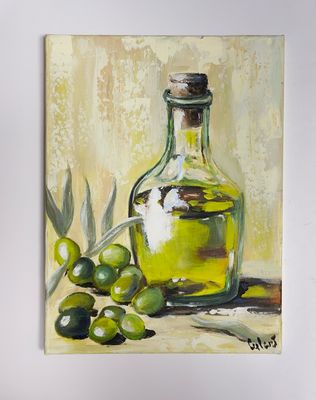
Is there anything more delightful than the aroma of freshly baked bread combined with the golden sheen of high-quality olive oil?
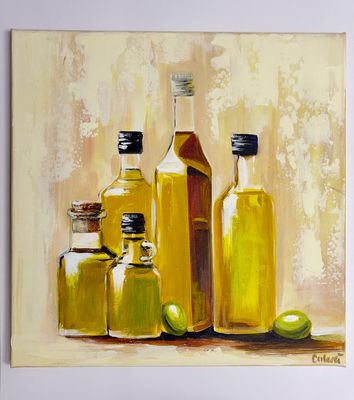
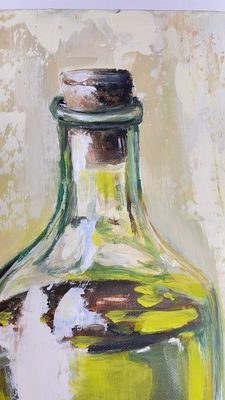
In my latest series of acrylic paintings, I wanted to capture precisely this feeling of warmth, light, and southern joie de vivre. These three still lifes are more than just decoration—they are an invitation to linger in the moment and savor the simple, genuine things in life.
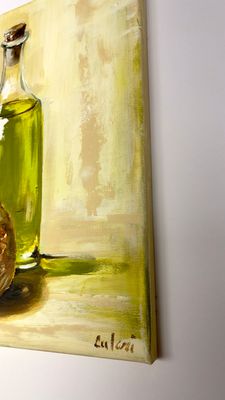
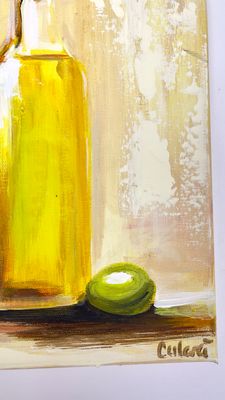
What makes this series special? Light & Texture: The bold brushstrokes of the acrylic paints create vibrant textures—you can almost feel the crispy bread crust or the smooth surface of the olives. Harmonious Colors: The palette of warm ochre, sunny yellow, and soft olive green instantly brings tranquility and coziness to any room. Versatility: Whether used individually as an accent or as a harmonious set on a large wall, the formats (30x40 cm and 40x40 cm) can be beautifully combined.
Each painting is a unique, hand-painted original on canvas, crafted with meticulous attention to detail in the Black Forest. The edges are painted, so they can go straight from my easel to your wall.
Bring some sunshine into your kitchen or dining room!
Which of the three designs is your favorite? The rustic bread, the elegant bottle arrangement, or the classic olive branch?
A touch of the Mediterranean for your home
The creation of a work of art
From blank sheet of paper to finished artwork.
Behind every painting at the Culari Art studio lies a long journey. It often begins with a fleeting emotion or a play of light in the Black Forest landscape. In my posts, I'd like to take you along on this journey.
In the forest
Above the clouds: How I found new energy for my art over the weekend
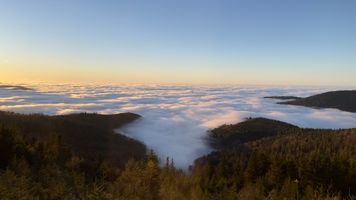
Sometimes you just have to climb a mountain to clear your head. Do you know that feeling when everyday life lies before you like a thick blanket of fog? That's exactly what it looked like in the valley this weekend. But instead of letting it envelop me, I set off – into the Black Forest, ever upwards.
The Sea That Isn't
When I reached the summit, this incredible sight greeted me (see photo). An endless sea of fog that had swallowed the valleys. It was almost as if time stood still. Only the dark tips of the fir trees protruded like small islands from the white, while the low sun bathed everything in a soft, golden light.
In moments like these, I realize that the best inspiration isn't waiting in front of a screen, but out in nature.
What I took away for my art:
The color palette:
These subtle transitions from cool blue in the sky to warm gold tones on the clouds – these are color combinations you couldn't invent. Structures and contrasts:
The soft, almost cottony appearance of the fog in direct contrast to the hard, dark silhouettes of the Black Forest fir trees.
The silence:
Art needs room to breathe. The tranquility up there helps me see my next projects more clearly. My conclusion for the weekend:
It doesn't always take a big trip. Sometimes a short climb in our own backyard is enough to completely change your perspective. I've returned with fully recharged batteries and a wealth of new ideas.
The world of abstract art: How colors, music, and emotions are connected
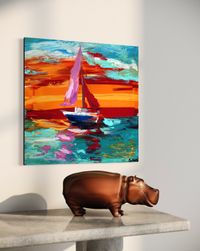
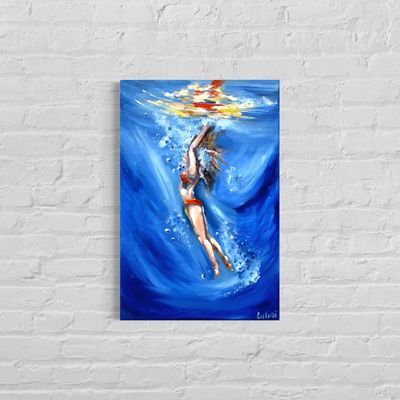
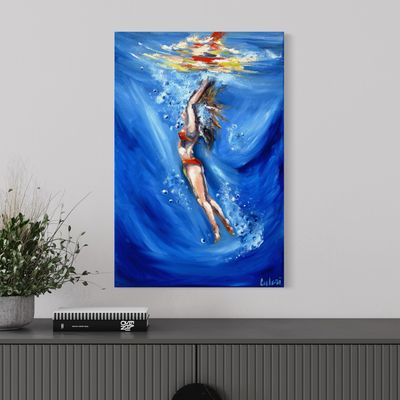
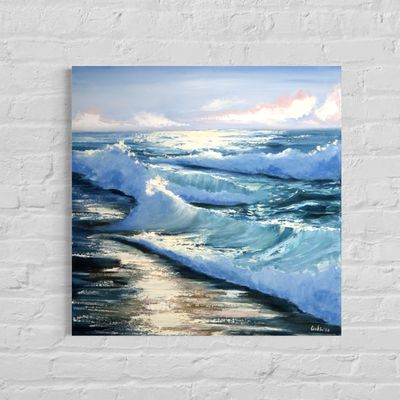
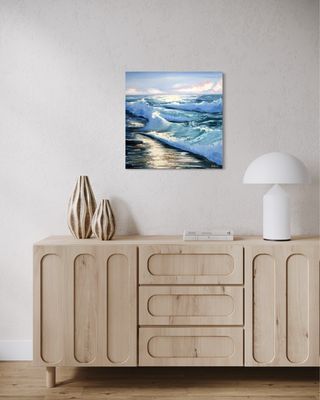
Original painting vs. print – Why textured acrylic art has a different effect
In a world full of reproductions, the original is gaining in importance.
As a modern abstract acrylic artist, I see the difference between a hand-painted painting and a print every day.
What makes an original painting special
An original is created layer by layer.
I work with:
Acrylic paint
Picture technique
Texture paste
Sometimes mixed media elements
This combination creates depth, movement, and a vibrant surface.
A textured wall art reacts to light. It changes. It appears three-dimensional.
Prints – when they make sense
A print is a reproduction. It is less expensive and can be useful for temporary decoration.
But it remains flat.
It shows the subject – not the material.
Why many of my clients choose an original
An original painting means:
Uniqueness
Handmade
Visible texture
Long-term investment
Supporting real art
Modern abstract original art lends authenticity to a room. It makes it distinctive.
My conviction
A hand-painted acrylic painting carries energy. It carries time. It carries decisions.
And that's exactly what you feel.
If you're torn between a print and an original, I invite you to discover my current original paintings and experience the difference for yourself.


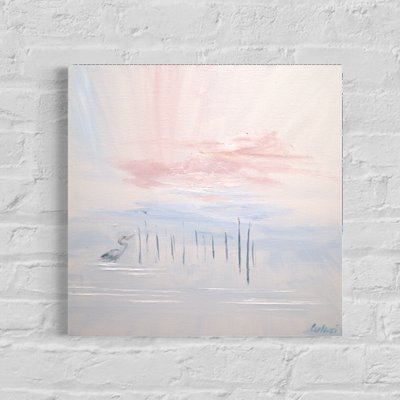
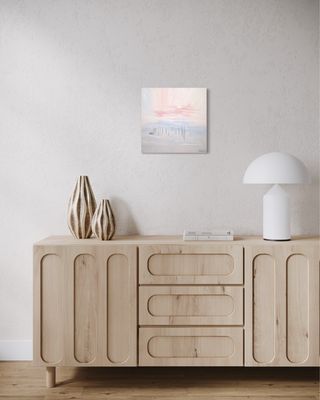
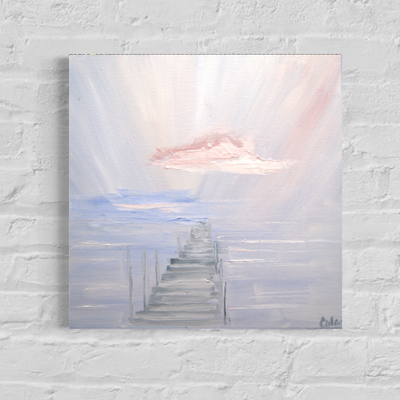
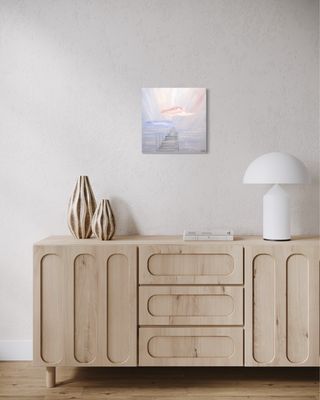


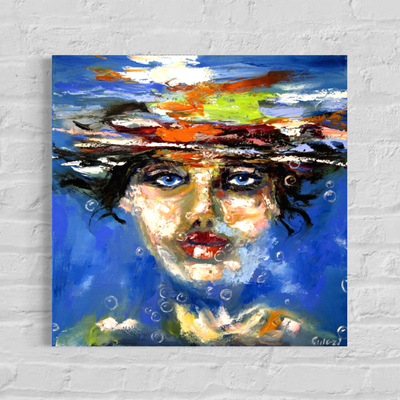
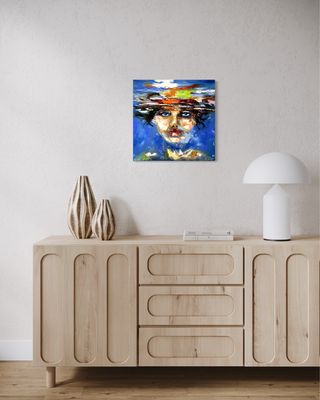
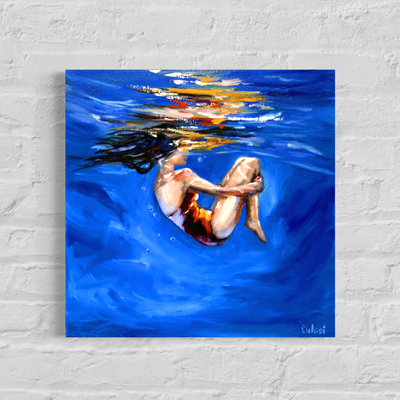
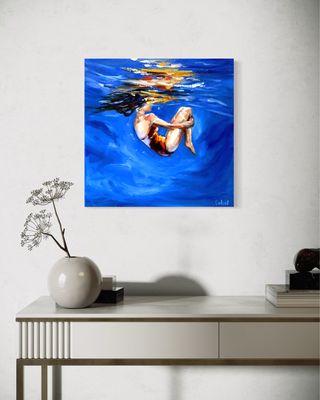
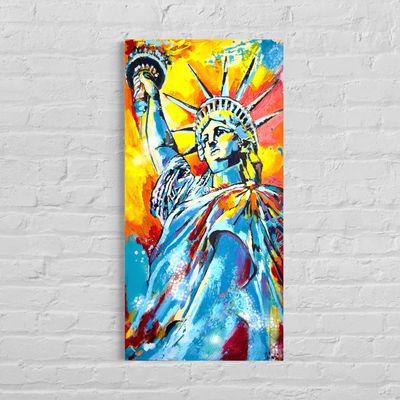
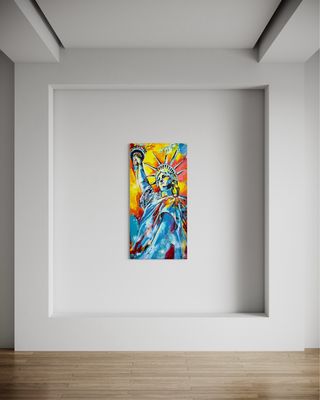
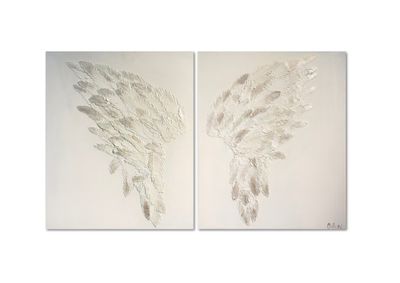
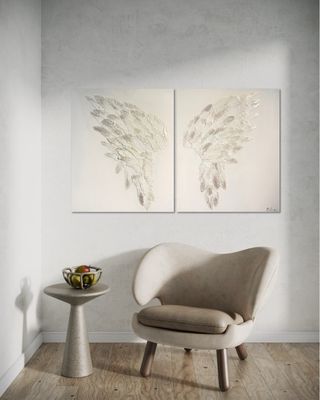
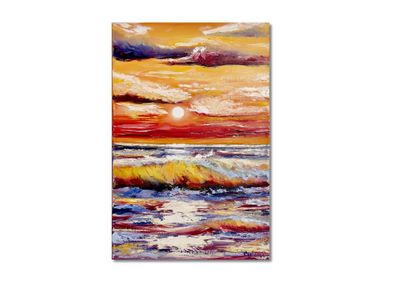
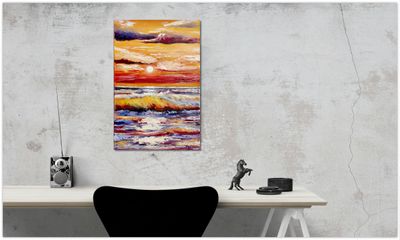
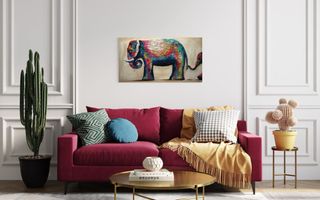
How to choose a large mural? – My experience as a modern acrylic painter
I hear the question "How do you choose a large mural?" very often. And I understand it perfectly – because a large painting completely transforms a room.
1. The Right Size for Modern Wall Art
Large walls need presence.
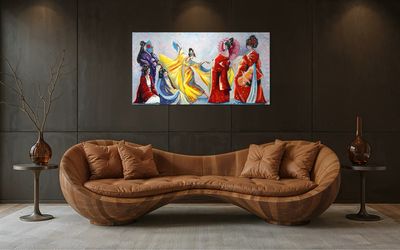
A small picture on a large surface looks lost. Therefore, I recommend a width of at least 80 cm for a free wall. Above the sofa, the painting should occupy about two-thirds of the furniture's width.
Large abstract acrylic paintings have a particularly strong effect in modern living spaces.
2. Consider Texture and Material
Many people focus on color first – but texture is just as important.
A textured acrylic painting or mixed-media wall art adds:
-Depth
-Dynamicity
-Visible craftsmanship
-A high-quality feel
Especially in minimalist rooms, texture creates visual interest.
3. Color Concept – Harmony or Contrast?
You have two options:
Harmonious:
The painting incorporates existing colors.
High-Contrast:
The painting deliberately makes a statement – e.g., blue and gold in a neutral room.
Modern abstract art offers a great deal of freedom here.
4. Original Painting or Art Print?
A hand-painted acrylic painting is unique. Every texture, every layer is unique.
A print can be decorative—but it doesn't replace the depth of an original painting.
My personal advice:
Don't choose a large wall art piece based on trends alone. Choose according to your feelings.
If you stand before a painting and it captivates you, then you've found the right one.
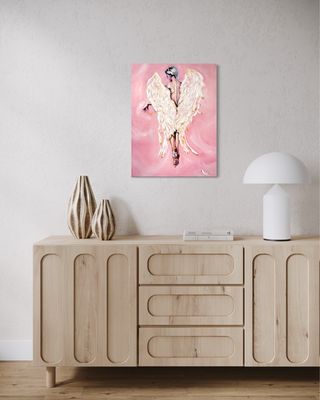
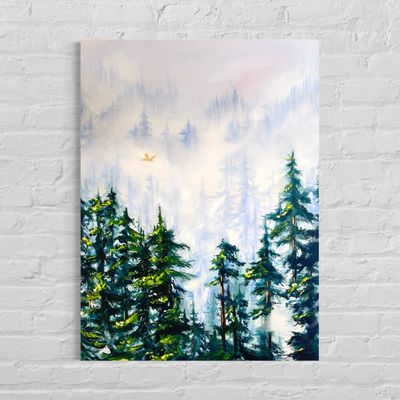
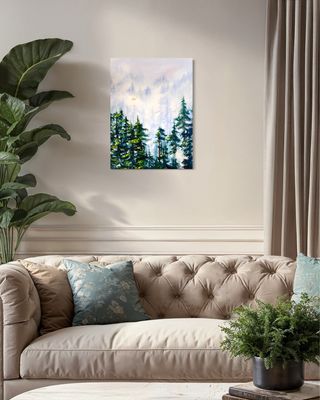
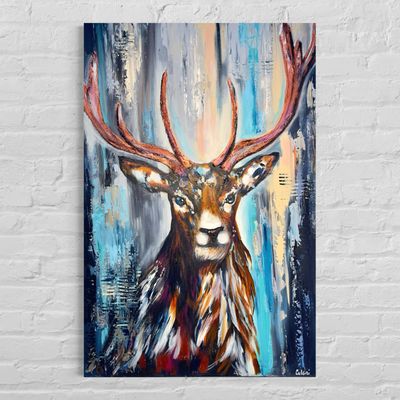
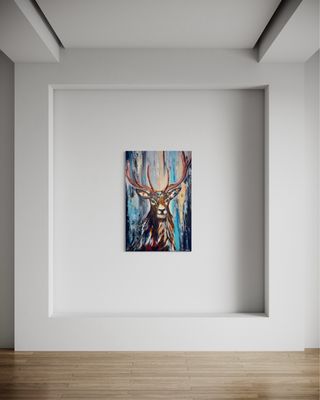
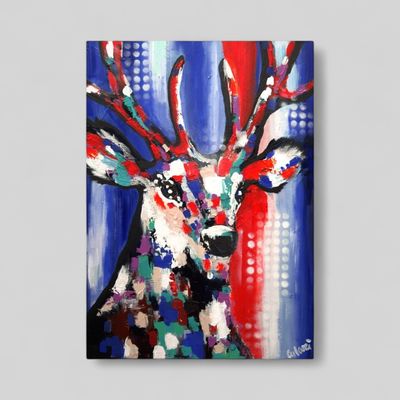
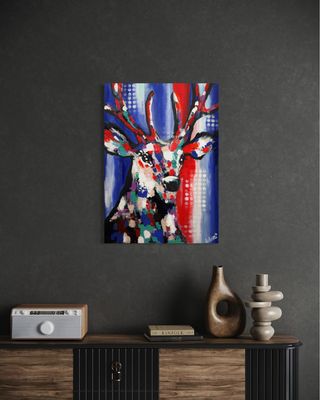
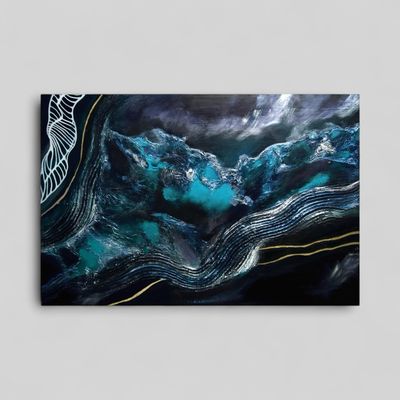
In my gallery, you'll find large-format, textured acrylic paintings created specifically for modern living spaces.
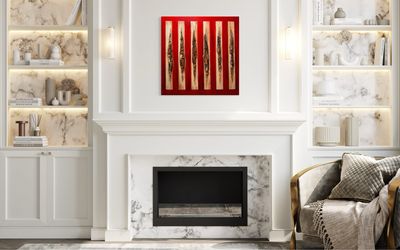
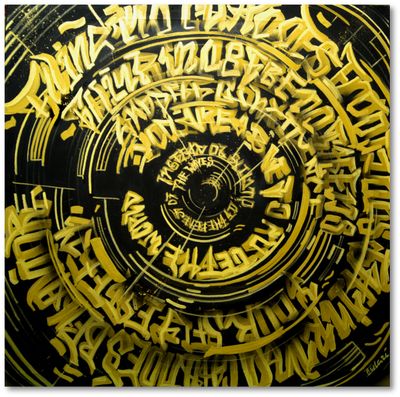
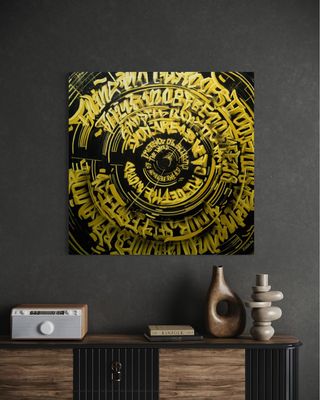
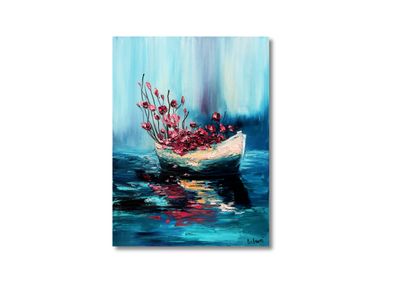
Large-format works
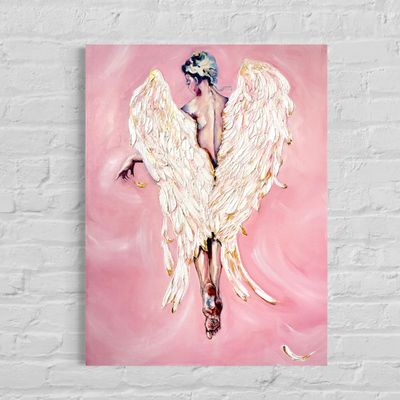
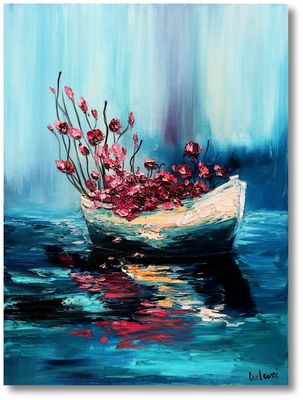
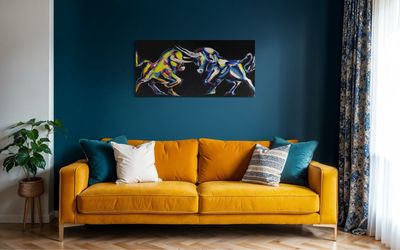
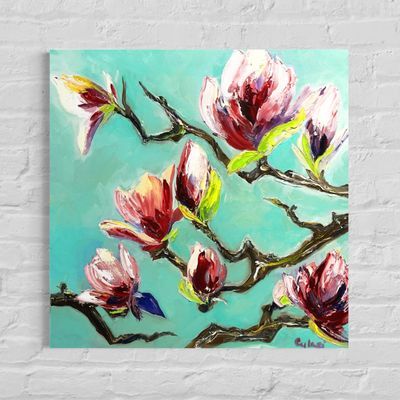
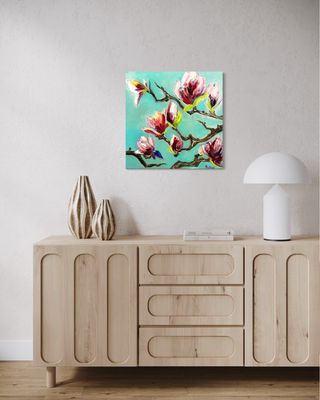
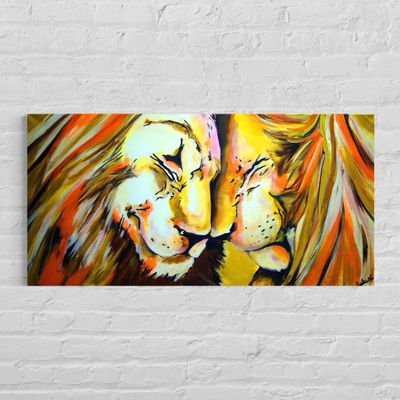
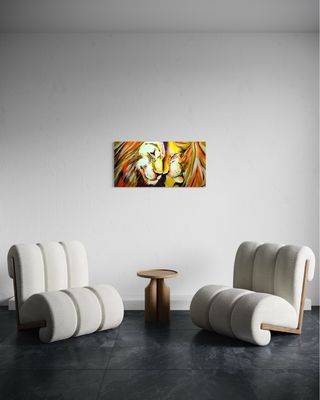
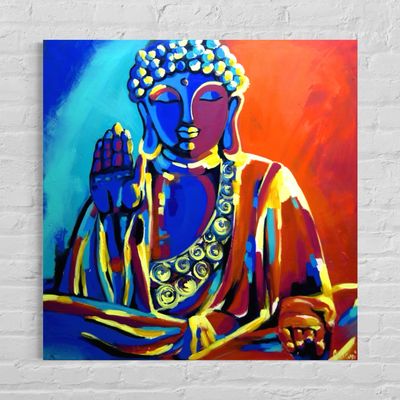
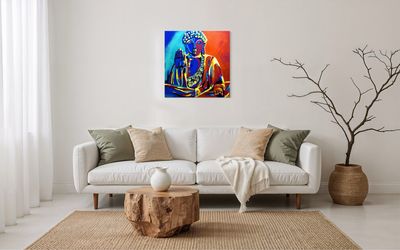
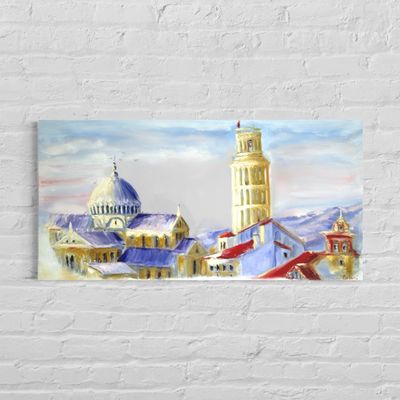
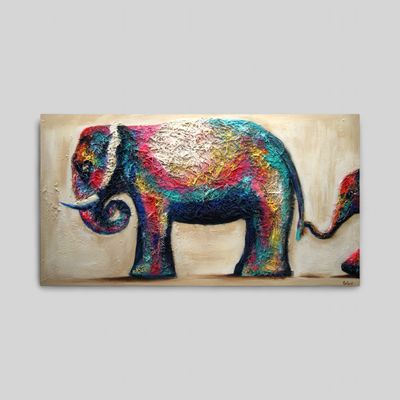
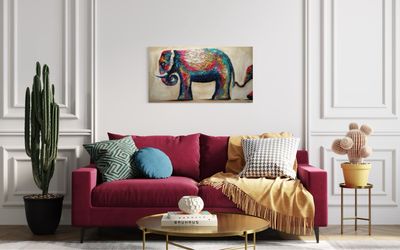
Elephants
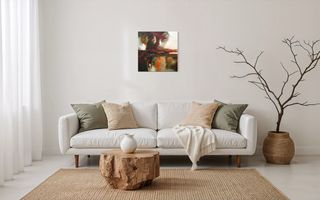
Modern abstract art for the living room – Why I believe a painting can transform a room
The living room is the most personal room in my home. It's where I live, where I entertain guests, where conversations begin. And that's precisely why art plays such a special role here.
As an artist, I constantly see how a single abstract painting can completely transform the atmosphere. A room that previously felt neutral suddenly gains depth, warmth, or energy.
Why abstract art is so well-suited to the living room
Abstract art leaves room for interpretation. It doesn't tell a specific story—it opens a dialogue. Everyone sees something different. And that's exactly what makes it vibrant.
In my work, I often use texture, multiple layers of color, and deliberate contrasts. Particularly large formats, such as 80x60 cm or 100x100 cm, have a powerful impact above the sofa or in the dining area.
A large abstract mural can:
make a quiet room more exciting
give character to a minimalist interior
absorb and amplify the colors in the room
act as a central design element
The effect of color
Colors are emotions.
Blue brings calm.
Gold brings warmth and elegance.
Beige and natural tones create harmony.
Contrasts bring dynamism.
When I paint a picture for a living room, I always think about the mood it should create. Do you want to relax? Feel energized? Find inspiration?
Why an original has such a powerful effect
A hand-painted acrylic painting has texture. You can see the brushstrokes. You can recognize the depth of the paint layers. The light refracts differently than with a print.
An original isn't just decoration. It's a piece of personality on the wall.
For me, modern abstract art in the living room isn't simply a trend—it's a form of identity.
Abstract works
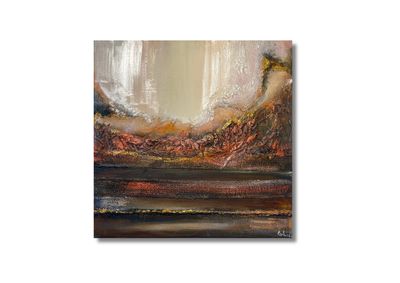
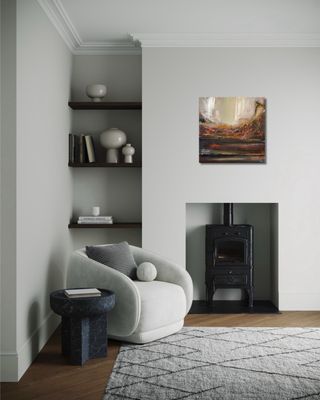
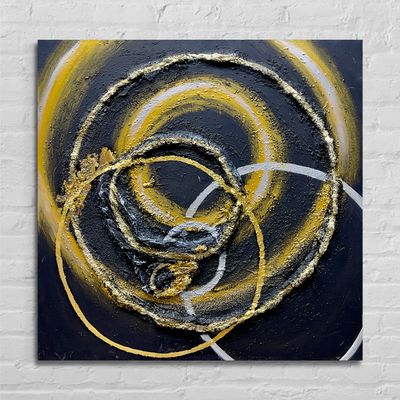
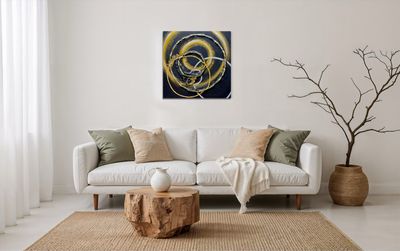
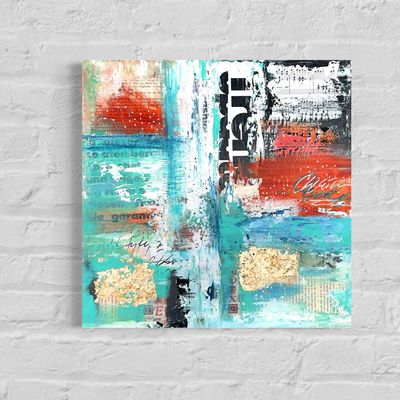
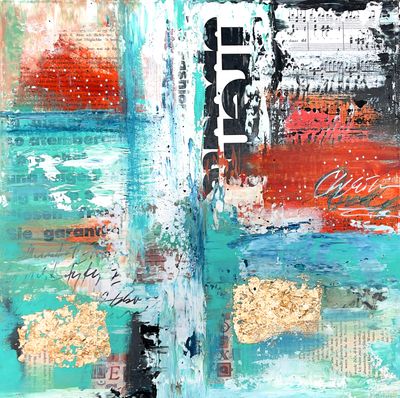
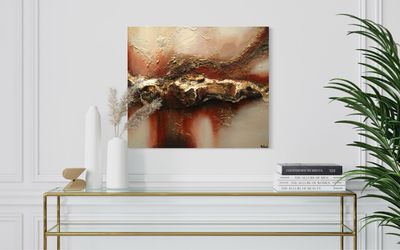
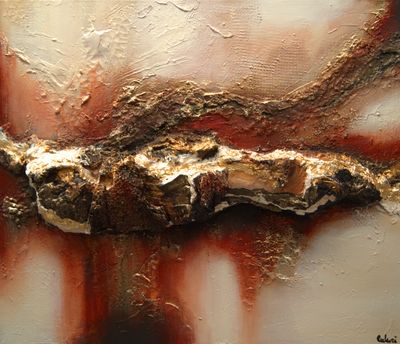
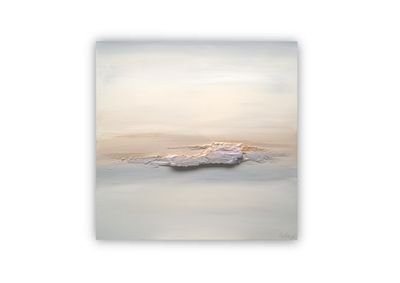
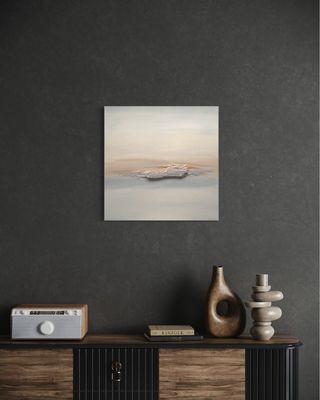
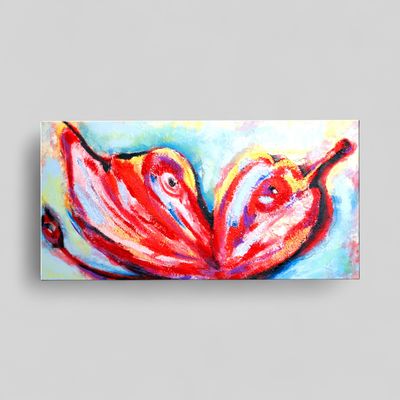
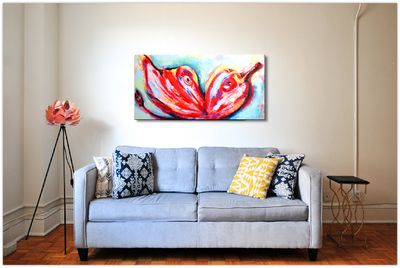
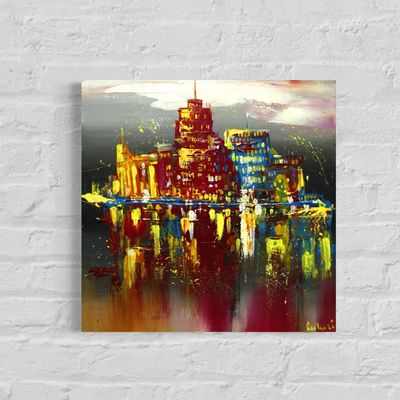
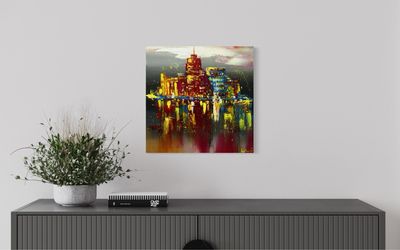
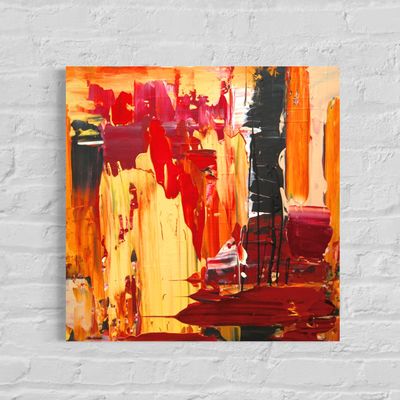
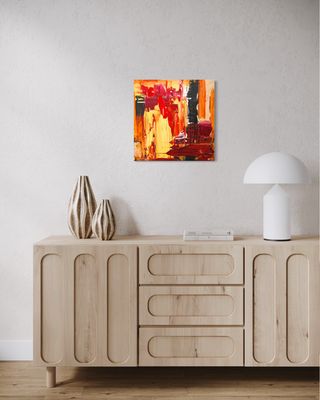
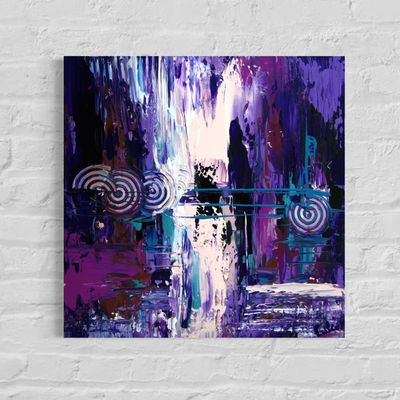
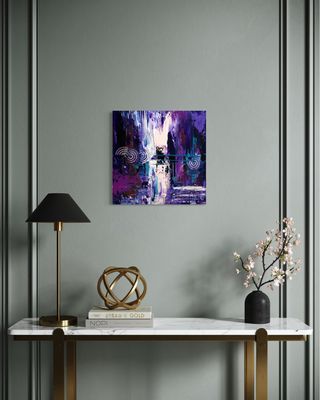
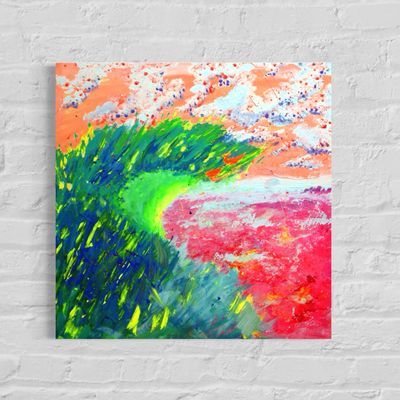
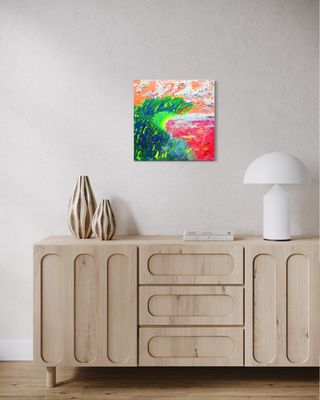
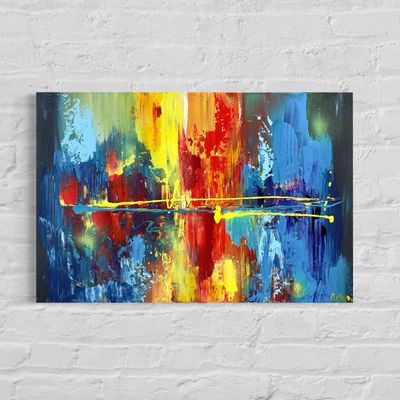
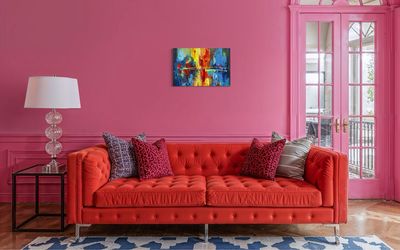
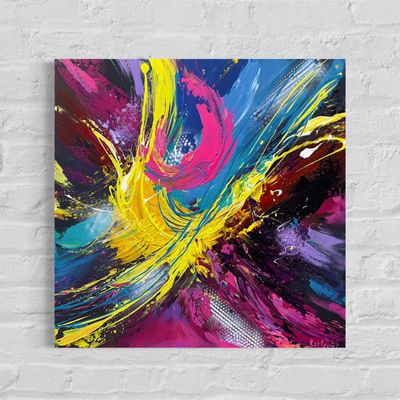
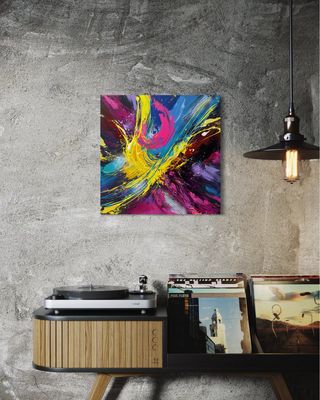
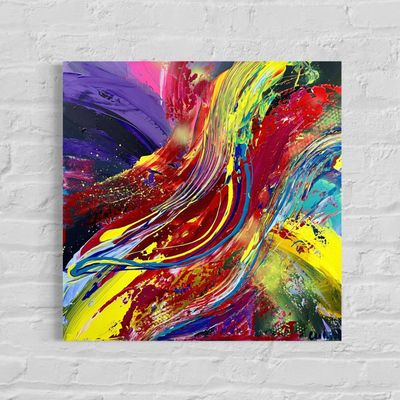
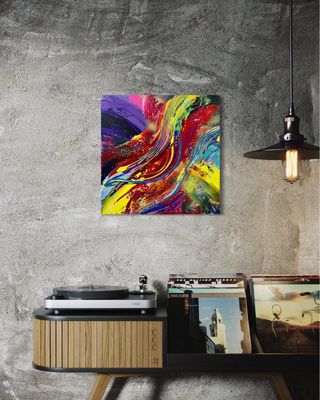
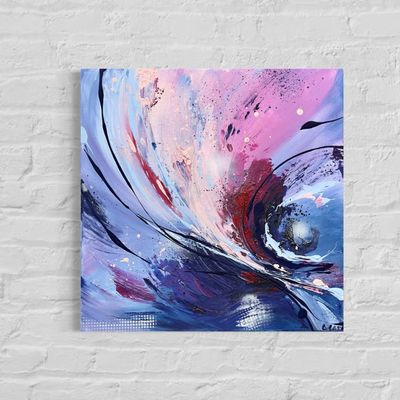
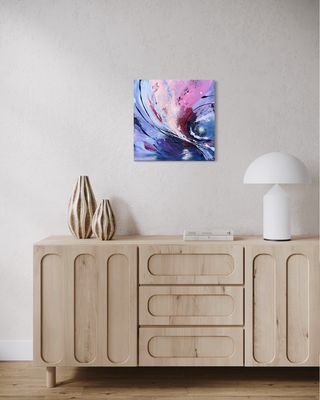
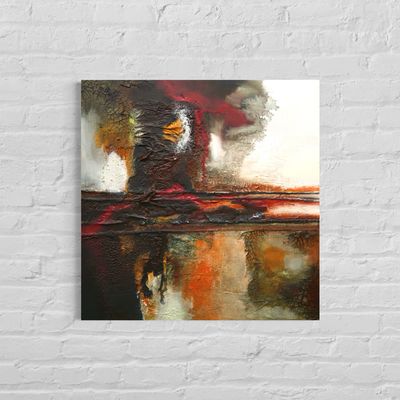
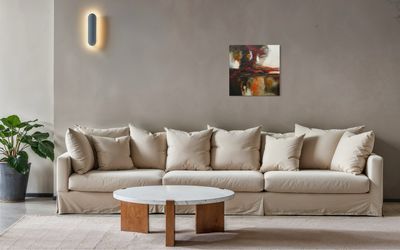
“Layers of Being” – Abstract Acrylic Painting by Larissa Chupakhina
Symphony of Blue Tones: An Ode to Hope and the Blossoming of the Soul
Painting as a path to freedom and love!
We talk about painting and how it helps us capture moments of freedom, eternity, and love and transform them into color. Every brushstroke and every movement of the palette knife brings the sea to life and lets us hear its stories.
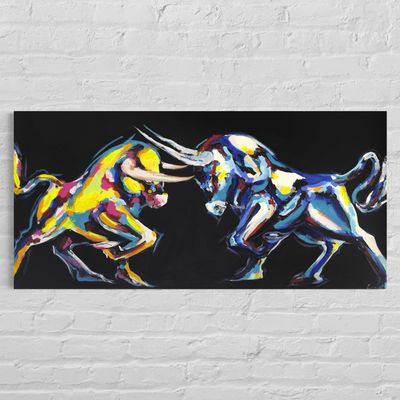
I'm painting a little bull with acrylic – just watch the video
Sometimes words aren’t necessary. Today, I just want to share a video with you where I’m painting a little bull with acrylics. From the first brushstroke to the final detail — this process means a lot to me. I won’t say too much — just watch the video.
Every stroke, every shade carries a piece of the mood I want to express. The little bull turned out strong-willed, yet warm and full of life. I hope you'll enjoy watching the process as much as I enjoyed painting it.
The video is below — turn up the sound and enjoy the moment!
If you have any thoughts, questions, or just want to say hi — feel free to leave a comment!
Spring Dance: The Story of a New Painting
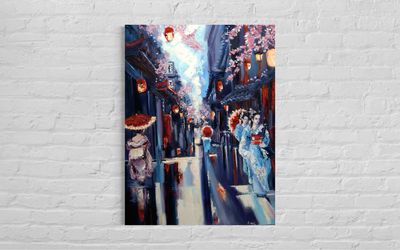
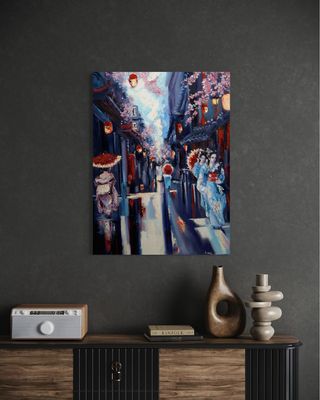
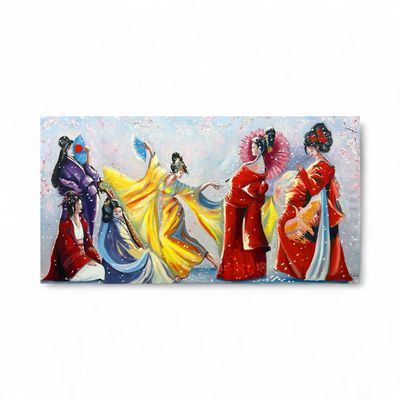
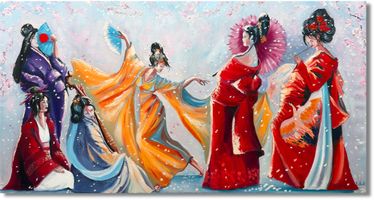
Spring is more than just a season. It’s a feeling, a state of the soul – a moment of renewal, of awakening beauty and inner harmony. This is precisely the emotion I wanted to capture in my new painting “Dance of Spring” (70 × 130 cm, oil on canvas), which I am delighted to present as part of the Atelier Culari Art collection.
On the canvas, we meet six women in traditional Japanese kimonos. They are not simply posing – each one is in motion, in dance, in a personal moment of expression. They are a metaphor for life itself – constantly changing, moving, growing.
The colors of their kimonos and the range of their gestures – from quiet serenity to vibrant energy – create an inner rhythm within the painting, almost as if you could hear music while looking at it.
The background is a delicate sky filled with falling cherry blossoms. Through textured brushstrokes, I aimed to capture the lightness of the air and the gentle drifting of the petals – like a breath of spring that takes you by surprise.
Working on this piece was something truly special. I was inspired by traditional Japanese theater, studied garments in detail, and immersed myself in the role of women in Eastern culture. This painting is not just decoration – it is a dialogue about the feminine spirit, about strength, grace, and the freedom to be multifaceted.
If you feel that this energy resonates with you, then perhaps Dance of Spring is meant for you. This piece is more than wall art – it is a source of inspiration and inner light.
With love,
Larissa
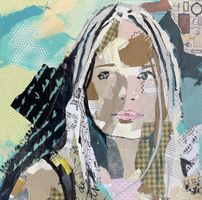
A unique portrait from your photo – in collage style!
A portrait of yourself or a loved one
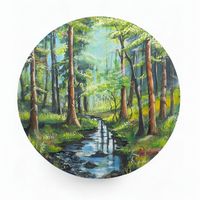
A Window to Nature – Two New Round-Shaped Works
In a world that is spinning faster and faster, many people seek moments of calm — places where they can take a deep breath and gather new strength. This is exactly the feeling I want to capture with my latest round paintings.
“Forest Spring” – Where the Light Kisses the Stream
The first work shows a clear forest stream winding through tall, slender trees. Sunbeams break through the canopy and dance on the water. The gaze is drawn deep into the forest, into a peaceful, green world. For me, this painting represents retreat, silence, and renewed energy — like a walk in the early morning when everything is still asleep.
“Summer Path” – The Way into the Light
The second painting is full of warmth and lightness. A small path leads through blooming meadows, past wildflowers, into an open, sunny landscape. On the horizon lies a village nestled among green hills. This picture tells of freedom, childhood memories, and the longing for a summer that never ends.
Round Shape – Round Thoughts
Both works are painted on round canvases — not just an aesthetic choice, but also a symbol: The round shape stands for wholeness, for a view into a protected space where nature, light, and silence come into harmony. They invite you to pause and immerse yourself for a moment in another world.
Whether in the living room, the workspace, or a quiet corner for meditation — these paintings create a place of inner peace.
If you have more texts, just send them over!
Art exhibition by Larissa Chupakhina at the Kleiner Prinz Gallery in Baden-Baden 2024
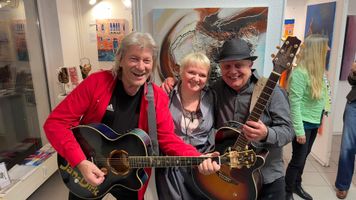
Hello dear friend, in today's issue, I would like to introduce you to an exhibition I am participating in at the Kleiner Prinz Gallery in Baden-Baden, part of the European Cultural Circle, entitled "Contemporary Visual Artists Introduce Themselves."
Musical performance: Troubadour Jan Dirk and his guitar
Invitation to the exhibition opening
Invitation to the Vernissage
by Larissa Chupakhina
Dear Friends of Art,
When colors tell stories,
when shapes begin to whisper,
and silence starts to resonate through images
a space opens for that
which words often cannot reach.
I warmly invite you
to join me in celebrating the magic of contemporary art –
at the exhibition
“Contemporary Visual Artists Present Themselves”
Vernissage:
Friday, May 23, 2025, at 7:30 PM
Galerie Kleiner Prinz, Rheinstraße 191, Baden-Baden
Exhibition:
May 23 – June 11, 2025
Opening hours:
Monday to Friday: 3–6 PM
Saturday: 11 AM–1 PM
The evening will be accompanied by the music
of troubadour Jan Dirk and his guitar.
I would be delighted to welcome you on this special evening
and to share my artworks with you.
With heartfelt and artful regards,
Larissa Chupakhina
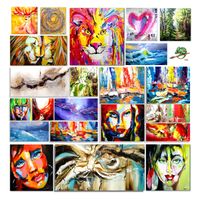
New Collection – April 2025
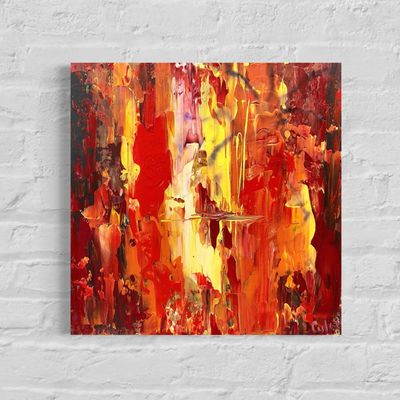
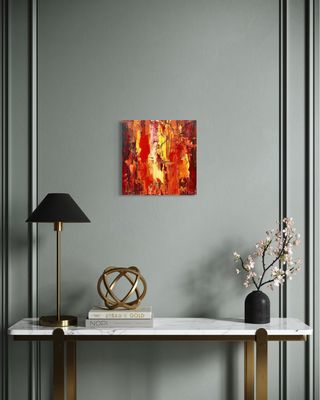
Art Exhibition at the Turmbergstadion Restaurant!
Starting Today: Art Exhibition at the Turmbergstadion Restaurant!
I'm excited to share that starting today, April 20, 2025, 44 of my artworks are on display at the cozy Turmbergstadion Restaurant in Karlsruhe-Durlach!
Come by, enjoy delicious food and great company, and discover vibrant, expressive paintings that bring the space to life.
Location: Turmbergstadion Restaurant
Liebensteinstraße 1
76227 Karlsruhe (Durlach)
Opening Hours:
Monday, Wednesday to Saturday: 5:00 PM – 11:00 PM
Sunday: 11:30 AM – 8:00 PM
Tuesday: Closed
I look forward to your visit and wish you an inspiring time at the restaurant!
Into the Forest – A Colorful Journey of Inspiration
Neubulach, April 6, 2025
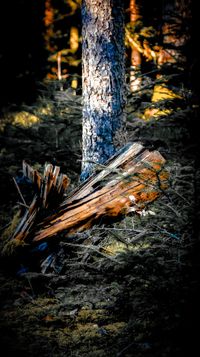
Today, I took a slow walk through the Black Forest—without a destination, just with open eyes and a awake heart. The trees whispered stories, the light danced on the damp ground, and moss in a thousand shades of green reminded me of how many nuances life holds.
Each step was like a brushstroke in the inner picture I carry. I watched the sunlight break through the branches, casting golden highlights while shadows flowed like ink over the path. It is in moments like these that my paintings are born—not in the studio, but outside, where nature speaks.
I took some photos, gathered colors, and jotted down thoughts. Maybe soon a new work will be born from this—who knows?
Thank you for accompanying me on this journey.
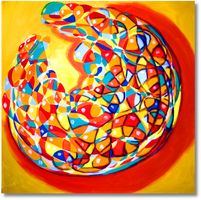
Abstract Art: A Journey into the World of Shapes and Colors
Abstract Art: A Journey into the World of Shapes and Colors
Abstract art is more than just colors and shapes on a canvas—it is a language without words that expresses emotions, thoughts, and energy. Unlike representational art, which depicts real objects or scenes, abstract art breaks free from recognizable reality and invites the viewer to find their own interpretation.
In this blog post, we dive into the fascinating world of abstract art, explore its origins, important artists, and the question: What makes abstract art so special?
What is Abstract Art?
Abstract art forgoes direct representation of the visible world. Instead, it uses colors, shapes, lines, and textures to convey moods, ideas, or pure aesthetics. It can be geometrically strict (like Piet Mondrian) or emotionally charged (like Jackson Pollock).
Characteristics of Abstract Art:
Freedom from representational depictionEmphasis on composition, color, and formSubjective interpretation by the viewerExperimental techniques
The History of Abstract Art
The roots of abstraction date back to the 19th century, but as an independent movement, it emerged in the early 20th century.
Key Milestones:
Wassily Kandinsky
is considered a pioneer of abstract painting with his work
“The First Abstract Watercolor”
(1910).
Piet Mondrian
developed
Neoplasticism
with its strict geometric forms.
Jackson Pollock
revolutionized art with his
Action Painting
and drip technique.
Mark Rothko
created emotional color field paintings that immerse the viewer in meditative states.
Why Abstract Art is Fascinating
Everyone sees something different
— Since there is no fixed meaning, interpretation becomes a personal experience.
Pure emotion
— Abstract works often affect the emotional level directly, without detours through recognizable motifs.
Freedom of expression
— Artists can work completely free from rules.
Modern interior design
— Abstract images are timeless and fit into almost any space.
Experiencing Abstract Art Yourself
Would you like to not only look at abstract art but also try it yourself? Here are a few tips:
Experiment with acrylic paint and various tools (brushes, palette knives, even your hands!).Play with contrasts — hard vs. soft, textured vs. flowing.Let music inspire you — paint what you feel while listening to your favorite song.
Conclusion
Abstract art is an invitation to see the world with new eyes. It challenges us to discover our own thoughts and feelings in shapes and colors. Whether as a viewer or as an artist, there is infinite freedom in abstraction.
What does abstract art mean to you? Share your thoughts in the comments!
This post was written by Larissa Chupakhina. Follow us for more art inspiration!
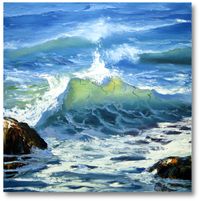
Oil Painting: Capturing the Fascination of the Sea on Canvas
Oil Painting: Capturing the Fascination of the Sea on Canvas
Introduction
The sea — an endless source of inspiration! Its powerful waves, the gentle play of light on the water’s surface, and the vastness of the horizon have fascinated artists for centuries. In oil painting, the magic of the sea can be captured particularly impressively thanks to the vibrant colors and versatile techniques that oil paints allow.
In this blog post, we dive into the world of maritime oil painting, explore famous seascapes, practical tips, and the question: How do you paint realistic or expressive sea motifs with oil paint?
Why Paint the Sea in Oil?
Oil paint is ideal for seascapes because it offers:
Deep, vibrant colors
Long drying times
, which make smooth transitions (e.g., in waves) easier
Textures
that come alive through impasto application or glazing techniques
Famous Artists and Their Seascapes
Ivan Aivazovsky
— The Russian painter created dramatic seascapes with perfectly captured light reflections.
Winslow Homer
— His powerful wave depictions show the primal force of the ocean.
Claude Monet
— Impressionistic views of the sea with vibrant play of colors.
How to Paint the Sea in Oil — Step by Step
Preparation: Materials & Inspiration
Ground:
A toned canvas (e.g., with a light blue or gray underpainting) helps set the mood.
Color palette:
Blue-green tones (Phthalo Blue, Prussian Blue, Emerald Green)White (Titanium White for light reflections)Earth tones (Umbra, Ochre for sand or rocks)
The Sky — Setting the Mood
Start with the horizon and sky, as they determine the light source for the water. Use soft transitions for calm moods or dramatic clouds for stormy scenes.
The Water — Movement and Depth
Wave structure:
Work from dark to light tones—the base of the wave is darker, the crest lighter.
Light reflections:
Add small highlights with Titanium White or Lemon Yellow.
Foam & spray:
Use a dry brush or palette knife to create splashes and blurs.
Details: Beach, Rocks & Ships
Rocks & coastline:
Use textured brush strokes or palette knives for rough surfaces.
Ships & boats:
They add scale and narrative depth to the painting.
Tips for Realistic & Expressive Seascapes
Observe the sea live or use reference photos—waves follow specific patterns.
Experiment with brushes and palette knives—impasto adds dynamism, glazes create depth.
Play with perspective—close-ups of waves look powerful, wide horizons convey calmness.
Use various shades of blue—the sea is never just one color!
Conclusion: Your Sea on Canvas
Oil painting offers endless possibilities to capture the beauty and power of the sea. Whether you paint realistic surf waves or expressive color fields for a modern interpretation—each painting becomes unique.
Give it a try! Start with a small canvas and let yourself be inspired by the movement of the water.
Did you enjoy this post? Share your own seascapes or questions in the comments!
This post was written by Larissa Chupakhina. Follow us for more art inspiration and painting techniques!
Tip: If you’re a beginner, try acrylic paints first as a faster alternative—the techniques are similar!
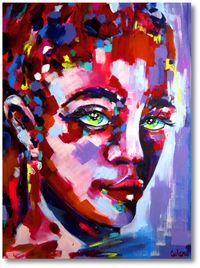
Portrait Painting: A Journey Through Faces and Emotions
Portrait Painting: A Journey Through Faces and Emotions
Since ancient times, humans have been fascinated by the human face — as a mirror of the soul, a testament to time, and an artistic challenge. Portrait painting has a history spanning millennia, from Egyptian mummy portraits through Renaissance masters to modern, abstract interpretations.
In this post, we explore the development of portrait art, its significance, and techniques. At the end, I invite you to discover some of my own portrait works — maybe one or the other will inspire you!
The History of Portrait Painting
Antiquity & Middle Ages: Symbols Instead of Individuality
Egypt:
Idealized appearance for eternity (mummy portraits).
Roman Emperor Portraits:
Realistic depiction of power and dignity.
Middle Ages:
Stylized, often religiously influenced faces (e.g., saints’ images).
Renaissance: The Human Being at the Center
Leonardo da Vinci
(
Mona Lisa
) perfected expression and perspective.
Albrecht Dürer
created detailed self-portraits as a sign of artistic self-awareness.
Modern & Abstraction: From Likeness to Feeling
Vincent van Gogh
painted himself with expressive brushstrokes.
Pablo Picasso
deconstructed faces into cubist forms.
Modern Photorealism:
Almost photographic precision (e.g., Chuck Close).
What Makes a Good Portrait?
A successful portrait shows more than just resemblance — it conveys personality, mood, and story.
Technical Elements:
✔ Proportions (correct placement of eyes, nose, mouth)
✔ Light & shadow (create drama or softness)
✔ Background (supports the message of the portrait)
Emotional Impact:
Eye direction: eyes as the central anchor point.Brushwork: fine details or rough strokes change the message.
My Portrait Works – An Invitation to Explore
In my artistic work, I experiment with different styles — from realistic studies to expressive, colorful interpretations.
Some examples of my portraits:
Classical Oil Painting:
Detailed faces with subtle light effects.
Abstract Approaches:
Emotions through color fields and strong contours.
Mixed Media Experiments:
Collages combining drawing and texture.
I warmly invite you to visit my gallery:
🔗 [Link to my website]
Try Portrait Painting Yourself – Tips for Beginners
Start with sketches — practice facial features with pencil or charcoal.Use references — photos or live models help with proportions.Experiment with styles — realistic, cartoonish, or abstract? Find your voice!
Conclusion: Faces Tell Stories
Whether as a historical document or a modern artwork, portraits remain one of the most intimate and expressive forms of painting. I hope this post inspires you to pick up the brush yourself or rediscover the depth of human faces.
Feel free to visit my works and let’s discuss your favorite portraits in the comments! 👩🎨
#PortraitPainting #ArtHistory #ArtistInsights #PaintingPeople
This post was written by Larissa Chupakhina. Follow me for more art & creative processes!
P.S.: Would you like to commission a personal portrait? Write to me! 🖌️